P0135: O2 Sensor Heater Circuit (Bank 1 Sensor 1)
Quick answer
P0135 is the standardised OBD-II code for o2 Sensor Heater Circuit (Bank 1 Sensor 1). The upstream oxygen sensor heater brings the sensor up to operating temperature quickly after a cold start. The most likely cause is corroded connector at the oxygen sensor, not the most expensive one. The car is generally safe to drive while you arrange a repair.
Severity 2 of 4. Yes, while you arrange a repair.
Fix soon · Safe to keep driving
| Code | P0135 |
|---|---|
| Standard name | O2 Sensor Heater Circuit (Bank 1 Sensor 1) |
| System | Fuel and air metering |
| Subsystem | Upstream oxygen sensor heater |
| Sets the | Oxygen sensor heater monitor |
| Severity | Fix soon (2 of 4) |
| Safe to drive | Yes, while you arrange a repair |
| Tool needed | Scanner with live data |
| Cause | How often | What to check |
|---|---|---|
| Corroded connector at the oxygen sensor | Most likely | Road salt and moisture commonly attack this connector before the sensor itself fails. |
| Blown fuse feeding the heater circuit | Common | Cheap and quick to rule out first. |
| Open heater element inside the sensor | Worth checking | Heater elements fail with age and heat cycling. |
| Damaged heater wiring near the exhaust | Less common | Exhaust heat and vibration can crack insulation over time. |

TOPDON TopScan Lite OBD2 Scanner, Bidirectional Scan Tool, 8 Resets & AI
Adds live sensor streams and freeze frame, which is what turns a code into a diagnosis rather than a guess.
Coverage varies by tool and by model year, so check a specific tool against a specific vehicle before buying.
What P0135 tells you, and what it does not
The upstream oxygen sensor heater brings the sensor up to operating temperature quickly after a cold start. This code sets when the current or voltage on the heater circuit falls outside the range the computer expects for a properly functioning heater.
The code sits in the upstream oxygen sensor heater area and is reported by the oxygen sensor heater monitor. It names the circuit or the condition where the computer saw a reading outside its expected range. It does not name a failed part, and several genuinely different faults set this same code, which is the whole reason the causes below are ordered rather than listed.
What people usually notice
- Check engine light soon after a cold start
- Slightly higher fuel consumption in cold weather
- No noticeable change in how the car drives
What causes P0135?
The causes below are ordered by how often they turn out to be the answer, cheapest and most common first. That order matters more than the list itself: the expensive component named in the code text is very rarely the first thing to replace, and working down from the top is what stops a upstream oxygen sensor heater fault becoming an expensive guess.
Corroded connector at the oxygen sensor is the one to rule out before anything else. Road salt and moisture commonly attack this connector before the sensor itself fails.
Working out which cause it is
Start with freeze frame. Coolant temperature at the fault shows whether it was recorded during the cold start warm up window. That snapshot is taken at the instant the code set, and it is the single most useful piece of evidence you have, which is also why clearing the code before reading it is such a costly habit.
This code is diagnosed by watching values change rather than by reading the number again, so the tool has to stream live data and hold freeze frame. Watching heater circuit voltage and how quickly the sensor begins switching confirms whether the heater or the wiring is at fault.
The order worth working in
- 1. Corroded connector at the oxygen sensor: Road salt and moisture commonly attack this connector before the sensor itself fails.
- 2. Blown fuse feeding the heater circuit: Cheap and quick to rule out first.
- 3. Open heater element inside the sensor: Heater elements fail with age and heat cycling.
- 4. Damaged heater wiring near the exhaust: Exhaust heat and vibration can crack insulation over time.
What P0135 means for driving the car
The vehicle drives normally, but fuel correction will be slower to begin after each cold start.
This is a severity 2 of 4 code. It will not usually strand you, but it will fail an emissions test while it is present, and the underlying fault rarely gets cheaper by being left alone.
What does it cost to ignore P0135?
A slow heating sensor delays closed loop fuel control after every cold start, adding up in fuel cost over time.
There is also the diagnostic cost of waiting. Freeze frame data, pending code history and the readiness monitor state all describe the fault as it was when it set, and all of it is lost the moment somebody clears the code to make the lamp go out.
Tools that can diagnose P0135
Adds live sensor streams and freeze frame, which is what turns a code into a diagnosis rather than a guess.
- LJPXHHU
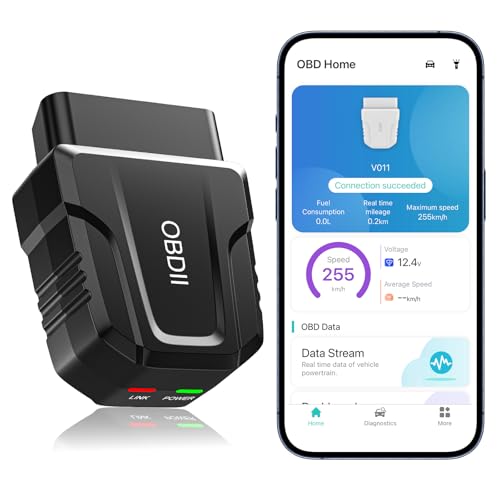
OBD2 Bluetooth Scanner Car Code Reader for iOS, Android and Windows
- wireless
$13.98 Check pricePrices change often - Veepeak
Veepeak Mini Bluetooth OBD2 Scanner Code Reader for Android (NOT for iOS)
- wireless
$14.99 Check pricePrices change often - MOCATEC
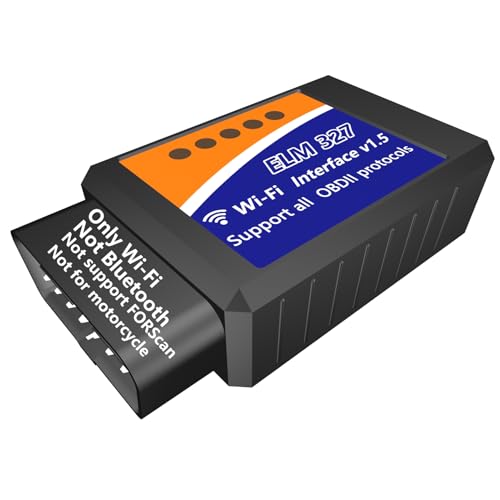
WiFi ELM327 OBD2 Adapter WiFi ELM 327 OBD Scanner for Universal 12V Vehicle
- wireless
$15.95 Check pricePrices change often - UMEIJA
OBD2 Scanner Diagnostic Tool, Car Scanner for iOS & Android, Bluetooth 5.4
- wireless
$29.99 Check pricePrices change often




Common questions
What does code P0135 mean?
P0135 is the generic OBD-II code for o2 Sensor Heater Circuit (Bank 1 Sensor 1). The upstream oxygen sensor heater brings the sensor up to operating temperature quickly after a cold start. This code sets when the current or voltage on the heater circuit falls outside the range the computer expects for a properly functioning heater. It is a standardised definition, so it means the same thing on every manufacturer, although the fault behind it differs from car to car.
Can I drive with P0135?
The vehicle drives normally, but fuel correction will be slower to begin after each cold start. On the severity scale this sits at 2 of 4, described as fix soon. Whatever the code, a check engine light that starts flashing changes the answer immediately: that means an active misfire and the correct response is to reduce load and stop driving.
What is the most common cause of P0135?
Corroded connector at the oxygen sensor is the cause worth ruling out first. Road salt and moisture commonly attack this connector before the sensor itself fails. Work down the ordered list rather than replacing the component named in the code text, because that component is the expensive answer and it is rarely the right one.
Will P0135 clear itself?
If the underlying fault genuinely goes away, the computer turns the lamp off after the monitor passes on a number of consecutive drive cycles, and the code moves to history before ageing out. A code that clears and returns is not fixed, it is intermittent. Clearing it manually erases the freeze frame data and resets every readiness monitor to incomplete.
What scanner do I need for P0135?
This code is diagnosed by watching values change rather than by reading the number again, so the tool has to stream live data and hold freeze frame. Watching heater circuit voltage and how quickly the sensor begins switching confirms whether the heater or the wiring is at fault. Vehicle coverage still varies by tool and by model year, so check a specific tool against a specific vehicle rather than assuming a capability tier guarantees access.