P0420: Catalyst System Efficiency Below Threshold (Bank 1)
Quick answer
P0420 is the standardised OBD-II code for catalyst System Efficiency Below Threshold (Bank 1). The computer compares the oxygen sensor signal before the catalytic converter to the one after it. The most likely cause is lazy or failing downstream oxygen sensor giving a false reading of poor catalyst efficiency, not the most expensive one. The car is generally safe to drive while you arrange a repair.
Severity 2 of 4. Yes, while you arrange a repair.
Fix soon · Safe to keep driving
| Code | P0420 |
|---|---|
| Standard name | Catalyst System Efficiency Below Threshold (Bank 1) |
| System | Emission control |
| Subsystem | Catalytic converter efficiency |
| Sets the | Catalyst monitor |
| Severity | Fix soon (2 of 4) |
| Safe to drive | Yes, while you arrange a repair |
| Tool needed | Scanner with live data |
| Cause | How often | What to check |
|---|---|---|
| Lazy or failing downstream oxygen sensor giving a false reading of poor catalyst efficiency | Most likely | A cheap sensor fault can mimic a bad converter and is worth ruling out first before spending money on the expensive part. |
| Exhaust leak upstream of or at the catalytic converter letting outside air skew both oxygen sensor readings | Common | A leaking gasket or cracked pipe ahead of the converter throws off the exact comparison the computer relies on. |
| Engine running rich or lean from an unrelated fault, such as a vacuum leak or worn injector, slowly overloading the converter | Worth checking | A converter exposed to a long-term rich or lean condition wears out faster than one that never should have failed in the first place. |
| Worn spark plugs or an ignition misfire sending unburned fuel into the converter | Less common | Repeated small misfires overheat the catalyst material over time even without ever triggering a misfire code. |
| Catalytic converter genuinely degraded from age and mileage, or damaged internally by a prior misfire or oil consumption | Uncommon | This is the correct diagnosis only after the cheaper upstream causes are ruled out, since the converter is the most expensive part in this chain. |
| Contaminated converter from excessive oil consumption or coolant leaking into a cylinder | Rare | Contamination poisons the catalyst coating permanently and cannot be cleaned or reversed. |

TOPDON TopScan Lite OBD2 Scanner, Bidirectional Scan Tool, 8 Resets & AI
Adds live sensor streams and freeze frame, which is what turns a code into a diagnosis rather than a guess.
Coverage varies by tool and by model year, so check a specific tool against a specific vehicle before buying.
What P0420 tells you, and what it does not
The computer compares the oxygen sensor signal before the catalytic converter to the one after it. A healthy converter smooths out and delays the switching pattern of the downstream sensor compared to the upstream one, and this code sets when the downstream signal instead starts to mirror the upstream signal too closely, meaning the converter is no longer storing and releasing oxygen the way a working one does. It is a comparison of the two sensor patterns over a full drive cycle, not a single instant reading.
The code sits in the catalytic converter efficiency area and is reported by the catalyst monitor. It names the circuit or the condition where the computer saw a reading outside its expected range. It does not name a failed part, and several genuinely different faults set this same code, which is the whole reason the causes below are ordered rather than listed.
What people usually notice
- Failed emissions test
- Check engine light with no other symptom
- Slightly reduced fuel economy
- Faint sulfur or rotten egg smell from the exhaust
- No noticeable change in how the car drives
What causes P0420?
The causes below are ordered by how often they turn out to be the answer, cheapest and most common first. That order matters more than the list itself: the expensive component named in the code text is very rarely the first thing to replace, and working down from the top is what stops a catalytic converter efficiency fault becoming an expensive guess.
Lazy or failing downstream oxygen sensor giving a false reading of poor catalyst efficiency is the one to rule out before anything else. A cheap sensor fault can mimic a bad converter and is worth ruling out first before spending money on the expensive part.
Working out which cause it is
Start with freeze frame. Engine load and fuel trim values at the fault show whether the engine was running rich or lean at the time, which points toward a root cause instead of just the symptom. That snapshot is taken at the instant the code set, and it is the single most useful piece of evidence you have, which is also why clearing the code before reading it is such a costly habit.
This code is diagnosed by watching values change rather than by reading the number again, so the tool has to stream live data and hold freeze frame. Live upstream and downstream oxygen sensor waveforms graphed together over a drive cycle show whether the converter is actually failing to buffer oxygen or whether an upstream fault is the real cause.
The order worth working in
- 1. Lazy or failing downstream oxygen sensor giving a false reading of poor catalyst efficiency: A cheap sensor fault can mimic a bad converter and is worth ruling out first before spending money on the expensive part.
- 2. Exhaust leak upstream of or at the catalytic converter letting outside air skew both oxygen sensor readings: A leaking gasket or cracked pipe ahead of the converter throws off the exact comparison the computer relies on.
- 3. Engine running rich or lean from an unrelated fault, such as a vacuum leak or worn injector, slowly overloading the converter: A converter exposed to a long-term rich or lean condition wears out faster than one that never should have failed in the first place.
- 4. Worn spark plugs or an ignition misfire sending unburned fuel into the converter: Repeated small misfires overheat the catalyst material over time even without ever triggering a misfire code.
- 5. Catalytic converter genuinely degraded from age and mileage, or damaged internally by a prior misfire or oil consumption: This is the correct diagnosis only after the cheaper upstream causes are ruled out, since the converter is the most expensive part in this chain.
- 6. Contaminated converter from excessive oil consumption or coolant leaking into a cylinder: Contamination poisons the catalyst coating permanently and cannot be cleaned or reversed.
What P0420 means for driving the car
Safe to keep driving, since this code reflects worn emissions control rather than a mechanical risk to the engine, though it will eventually fail an emissions test.
This is a severity 2 of 4 code. It will not usually strand you, but it will fail an emissions test while it is present, and the underlying fault rarely gets cheaper by being left alone.
What does it cost to ignore P0420?
A genuinely worn catalytic converter will eventually fail a required emissions test, and if the underlying rich, lean or misfire condition that damaged it is never fixed, a replacement converter fails the same way again; if the real cause is a cheap upstream sensor or leak this code gets misdiagnosed into an unnecessary converter replacement that never actually fixes it.
There is also the diagnostic cost of waiting. Freeze frame data, pending code history and the readiness monitor state all describe the fault as it was when it set, and all of it is lost the moment somebody clears the code to make the lamp go out.
P0420 by make
Tools that can diagnose P0420
Adds live sensor streams and freeze frame, which is what turns a code into a diagnosis rather than a guess.
- LJPXHHU
OBD2 Bluetooth Scanner Car Code Reader for iOS, Android and Windows
- wireless
$13.98 Check pricePrices change often - Veepeak
Veepeak Mini Bluetooth OBD2 Scanner Code Reader for Android (NOT for iOS)
- wireless
$14.99 Check pricePrices change often - MOCATEC
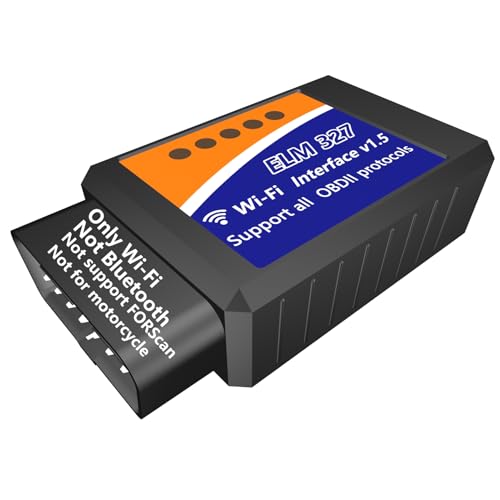
WiFi ELM327 OBD2 Adapter WiFi ELM 327 OBD Scanner for Universal 12V Vehicle
- wireless
$15.95 Check pricePrices change often - UMEIJA
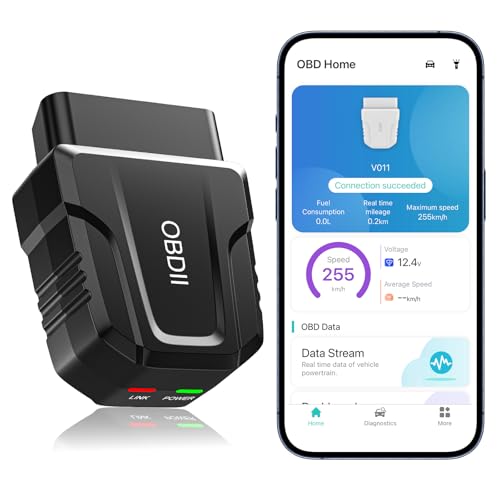
OBD2 Scanner Diagnostic Tool, Car Scanner for iOS & Android, Bluetooth 5.4
- wireless
$29.99 Check pricePrices change often




Common questions
What does code P0420 mean?
P0420 is the generic OBD-II code for catalyst System Efficiency Below Threshold (Bank 1). The computer compares the oxygen sensor signal before the catalytic converter to the one after it. A healthy converter smooths out and delays the switching pattern of the downstream sensor compared to the upstream one, and this code sets when the downstream signal instead starts to mirror the upstream signal too closely, meaning the converter is no longer storing and releasing oxygen the way a working one does. It is a comparison of the two sensor patterns over a full drive cycle, not a single instant reading. It is a standardised definition, so it means the same thing on every manufacturer, although the fault behind it differs from car to car.
Can I drive with P0420?
Safe to keep driving, since this code reflects worn emissions control rather than a mechanical risk to the engine, though it will eventually fail an emissions test. On the severity scale this sits at 2 of 4, described as fix soon. Whatever the code, a check engine light that starts flashing changes the answer immediately: that means an active misfire and the correct response is to reduce load and stop driving.
What is the most common cause of P0420?
Lazy or failing downstream oxygen sensor giving a false reading of poor catalyst efficiency is the cause worth ruling out first. A cheap sensor fault can mimic a bad converter and is worth ruling out first before spending money on the expensive part. Work down the ordered list rather than replacing the component named in the code text, because that component is the expensive answer and it is rarely the right one.
Will P0420 clear itself?
If the underlying fault genuinely goes away, the computer turns the lamp off after the monitor passes on a number of consecutive drive cycles, and the code moves to history before ageing out. A code that clears and returns is not fixed, it is intermittent. Clearing it manually erases the freeze frame data and resets every readiness monitor to incomplete.
What scanner do I need for P0420?
This code is diagnosed by watching values change rather than by reading the number again, so the tool has to stream live data and hold freeze frame. Live upstream and downstream oxygen sensor waveforms graphed together over a drive cycle show whether the converter is actually failing to buffer oxygen or whether an upstream fault is the real cause. Vehicle coverage still varies by tool and by model year, so check a specific tool against a specific vehicle rather than assuming a capability tier guarantees access.