P0420 on a Chevrolet
Quick answer
P0420 on Chevrolet trucks and SUVs with the 5.3L V8 has become closely associated with catalytic converter theft due to the precious metals inside, and separately with oil consumption on some Gen IV engines fouling the catalyst over time.
Severity 2 of 4. Yes, while you arrange a repair.
Fix soon · Safe to keep driving
| Code | P0420 |
|---|---|
| Standard name | Catalyst System Efficiency Below Threshold (Bank 1) |
| Make | Chevrolet |
| Severity | Fix soon (2 of 4) |
| Safe to drive | Yes, while you arrange a repair |
| Tool needed | Scanner with live data |

TOPDON TopScan Lite OBD2 Scanner, Bidirectional Scan Tool, 8 Resets & AI
Adds live sensor streams and freeze frame, which is what turns a code into a diagnosis rather than a guess.
Coverage varies by tool and by model year, so check a specific tool against a specific vehicle before buying.
What is different about P0420 on a Chevrolet?
Chevrolet and GM truck platforms carry two distinct, well-documented P0420 stories: a physical one involving catalytic converter theft, and a mechanical one involving oil consumption on certain V8 engines.
What Chevrolet owners run into with P0420
Catalytic converter theft: Chevrolet and GM trucks and SUVs using the 5.3L V8, particularly higher ground clearance models, have been widely reported targets for catalytic converter theft because of the platform's popularity and the converter's accessibility; a stolen or damaged converter will reliably set P0420 along with an obvious exhaust noise change.
Gen IV oil consumption fouling the catalyst: Some Gen IV GM V8 engines have a documented pattern of above-normal oil consumption, and oil reaching the exhaust stream over time can foul and degrade the catalytic converter, contributing to a genuine P0420 rather than a sensor-only false trigger.
What to check first on a Chevrolet
The order below narrows the generic P0420 list down to what is worth checking first on this make. It is a starting order, not a diagnosis: patterns are generation specific and a vehicle outside those generations may have none of them.
Check in this order
- Visually inspect underneath the vehicle for a missing or obviously damaged catalytic converter and cut exhaust pipe
- Check for a sudden loud exhaust note that started at the same time as the code, a strong indicator of theft or physical damage
- Check oil consumption history if the engine is a Gen IV V8 known for this pattern
- Inspect the downstream oxygen sensor and wiring if the exhaust is physically intact
The generic picture behind P0420
The computer compares the oxygen sensor signal before the catalytic converter to the one after it. A healthy converter smooths out and delays the switching pattern of the downstream sensor compared to the upstream one, and this code sets when the downstream signal instead starts to mirror the upstream signal too closely, meaning the converter is no longer storing and releasing oxygen the way a working one does. It is a comparison of the two sensor patterns over a full drive cycle, not a single instant reading.
Everything on the main P0420 page still applies here. This page narrows the cause list to the patterns documented on Chevrolet vehicles, it does not replace the underlying definition.
The generic version of this code
Tools that can diagnose P0420
Adds live sensor streams and freeze frame, which is what turns a code into a diagnosis rather than a guess.
- LJPXHHU
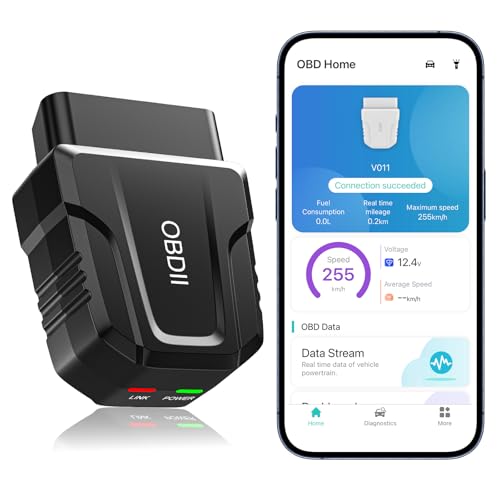
OBD2 Bluetooth Scanner Car Code Reader for iOS, Android and Windows
- wireless
$13.98 Check pricePrices change often - Veepeak
Veepeak Mini Bluetooth OBD2 Scanner Code Reader for Android (NOT for iOS)
- wireless
$14.99 Check pricePrices change often - MOCATEC
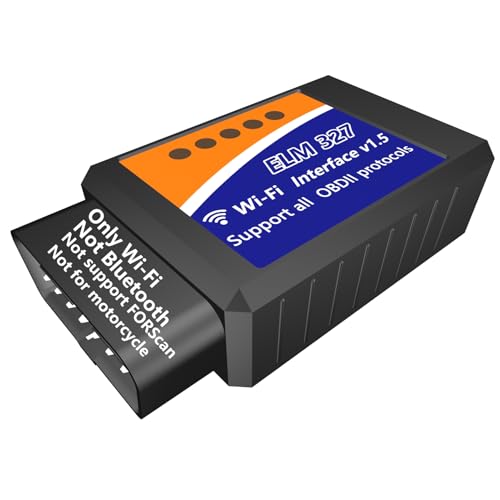
WiFi ELM327 OBD2 Adapter WiFi ELM 327 OBD Scanner for Universal 12V Vehicle
- wireless
$15.95 Check pricePrices change often - UMEIJA
OBD2 Scanner Diagnostic Tool, Car Scanner for iOS & Android, Bluetooth 5.4
- wireless
$29.99 Check pricePrices change often




Common questions
Why do Chevy trucks get their catalytic converters stolen so often?
Many Chevrolet and GM trucks and SUVs using the 5.3L V8 sit high enough for easy underbody access, and the precious metals inside the catalytic converter make it a common theft target on this platform. A stolen converter will set P0420 immediately along with a noticeably louder exhaust.
Can oil consumption cause P0420 on a GM V8?
Yes, on some Gen IV GM V8 engines documented for above-average oil consumption, oil reaching the exhaust over an extended period can foul and degrade the catalytic converter, leading to a genuine efficiency-related P0420 rather than a sensor or exhaust leak issue.