P0420 on a Subaru
Quick answer
On many Subaru models with the EJ25 boxer engine, a slow external head gasket leak allowing coolant or oil into the exhaust stream is a documented contributor to catalyst fouling and P0420, alongside the more routine oxygen sensor causes.
Severity 2 of 4. Yes, while you arrange a repair.
Fix soon · Safe to keep driving
| Code | P0420 |
|---|---|
| Standard name | Catalyst System Efficiency Below Threshold (Bank 1) |
| Make | Subaru |
| Severity | Fix soon (2 of 4) |
| Safe to drive | Yes, while you arrange a repair |
| Tool needed | Scanner with live data |

TOPDON TopScan Lite OBD2 Scanner, Bidirectional Scan Tool, 8 Resets & AI
Adds live sensor streams and freeze frame, which is what turns a code into a diagnosis rather than a guess.
Coverage varies by tool and by model year, so check a specific tool against a specific vehicle before buying.
What is different about P0420 on a Subaru?
Subaru's EJ25 boxer engine carries a well-known head gasket history, and on some generations that history extends into the exhaust system in a way that is documented to contribute to catalyst efficiency codes.
What Subaru owners run into with P0420
EJ25 head gasket leaks reaching the exhaust: Some generations of the EJ25 flat-four engine, used across many Subaru Outback, Legacy, and Forester models, are documented for external head gasket seepage; coolant or oil reaching the exhaust system over time can foul the catalytic converter and contribute to a genuine P0420, separate from a sensor-only cause.
Downstream sensor and exhaust leak as more common first causes: As with most makes, a lazy downstream oxygen sensor or a small exhaust leak ahead of it remains a more common and cheaper-to-diagnose cause of P0420 on Subaru models than an actual failing catalyst, and should be ruled out first.
What to check first on a Subaru
The order below narrows the generic P0420 list down to what is worth checking first on this make. It is a starting order, not a diagnosis: patterns are generation specific and a vehicle outside those generations may have none of them.
Check in this order
- Check for visible signs of external coolant or oil seepage around the head gasket area on EJ25-equipped models
- Inspect the downstream oxygen sensor and connector for wear or damage
- Inspect the exhaust system for leaks ahead of the downstream sensor
- Consider catalyst condition only after ruling out sensor, exhaust leak, and head gasket seepage
The generic picture behind P0420
The computer compares the oxygen sensor signal before the catalytic converter to the one after it. A healthy converter smooths out and delays the switching pattern of the downstream sensor compared to the upstream one, and this code sets when the downstream signal instead starts to mirror the upstream signal too closely, meaning the converter is no longer storing and releasing oxygen the way a working one does. It is a comparison of the two sensor patterns over a full drive cycle, not a single instant reading.
Everything on the main P0420 page still applies here. This page narrows the cause list to the patterns documented on Subaru vehicles, it does not replace the underlying definition.
The generic version of this code
Tools that can diagnose P0420
Adds live sensor streams and freeze frame, which is what turns a code into a diagnosis rather than a guess.
- LJPXHHU
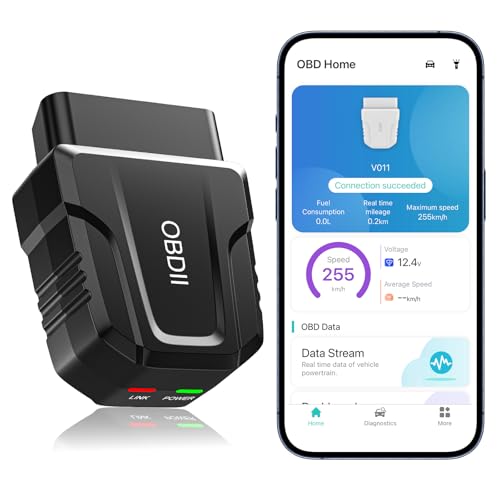
OBD2 Bluetooth Scanner Car Code Reader for iOS, Android and Windows
- wireless
$13.98 Check pricePrices change often - Veepeak
Veepeak Mini Bluetooth OBD2 Scanner Code Reader for Android (NOT for iOS)
- wireless
$14.99 Check pricePrices change often - MOCATEC
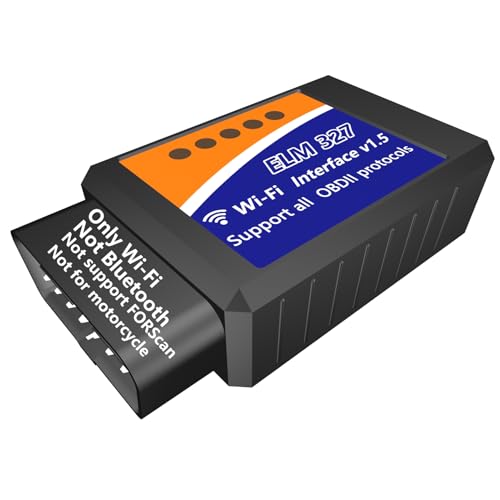
WiFi ELM327 OBD2 Adapter WiFi ELM 327 OBD Scanner for Universal 12V Vehicle
- wireless
$15.95 Check pricePrices change often - UMEIJA
OBD2 Scanner Diagnostic Tool, Car Scanner for iOS & Android, Bluetooth 5.4
- wireless
$29.99 Check pricePrices change often




Common questions
Can a Subaru head gasket leak cause a check engine light for the catalyst?
On some generations of the EJ25 engine, documented for external head gasket seepage, oil or coolant reaching the exhaust stream over time can foul the catalytic converter and contribute to a genuine P0420 code, in addition to the more common sensor and exhaust leak causes seen across most makes.
Is P0420 common on all Subaru models?
The pattern tied to head gasket seepage is specific to certain generations of the EJ25 boxer engine, not the whole Subaru lineup. Newer FA and FB engine families do not share the same documented head gasket seepage history.