Is it safe to drive
Quick answer
A flashing check engine light always means stop driving as soon as it is safe to pull over. It signals an active misfire dumping raw fuel into the exhaust, which can destroy a catalytic converter within minutes. A steady lamp with no symptoms is usually safe for a short drive to a workshop, but it is never safe to assume that without knowing which system set the code.
Emissions monitor faults such as catalyst efficiency and evaporative leak codes do not usually threaten the engine. They do fail an emissions test, and they do get more expensive the longer the underlying cause runs.
This tool works from the general behaviour of the OBD-II system. It cannot inspect the vehicle, and it is not a substitute for a qualified mechanic looking at the car in front of them.

TOPDON TopScan Lite OBD2 Scanner, Bidirectional Scan Tool, 8 Resets & AI
Live data and full system access are what most of the answers above depend on. A basic reader gives you the code number and nothing to check it against.
Coverage varies by tool and by model year, so check a specific tool against a specific vehicle before buying.
Read the code before you decide
- Autel
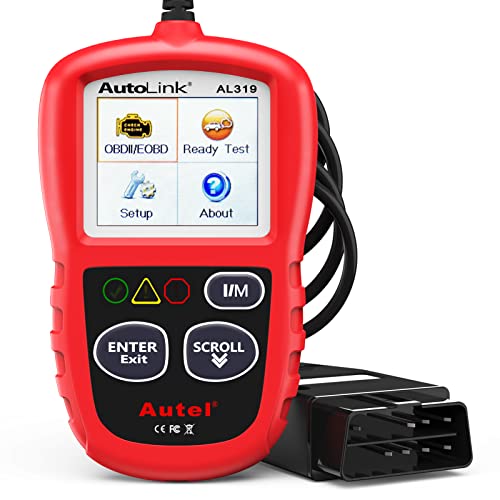
Autel AL319 Professional OBD2 Scanner, Enhanced Check Engine Code Reader
$27.99 Check pricePrices change often - TOPDON
TOPDON Carpal OBD2 Scanner Bluetooth - All System Diagnostic Tool with AI
- full system
- wireless
$40.99 Check pricePrices change often - AUTOPHIX
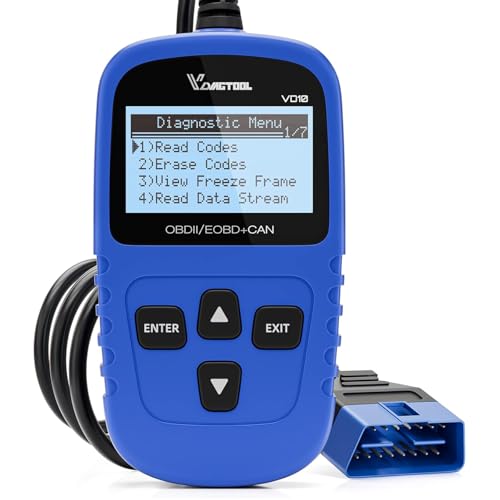
AUTOPHIX OM126P OBD2 Scanner, Check Engine Light Code Reader for OBD2 Cars
$49.99 Check pricePrices change often




Safety
Common questions
What does a flashing check engine light mean?
It means an active misfire is sending unburnt fuel into the exhaust system. That fuel ignites in the catalytic converter and can melt it within minutes of continued driving. A flashing lamp is the only signal the OBD-II system gives that means act now, so reduce load, pull over when safe, and do not finish the journey.
Can I drive with a steady check engine light?
Often yes, for a short distance to get it read, provided the car drives normally with no new noise, smell or temperature rise. That is not a guarantee: the same steady lamp covers a loose fuel cap and a failing catalytic converter. Read the code before deciding how far to trust it.
The light went off by itself. Is it fixed?
Not necessarily. The lamp turns itself off after the fault fails to reappear across a number of drive cycles, but the code stays stored in memory as a history code. An intermittent fault that comes and goes will do exactly this, so read the stored codes rather than treating the dark lamp as an all clear.
Is an ABS light as serious as a check engine light?
It is a different kind of serious. An ABS fault usually leaves conventional braking fully working and disables only the anti-lock function, so the car stops but the wheels can lock under hard braking. Leave more distance, avoid hard stops on poor surfaces, and treat it as a repair that should not wait.
Will the car fail an emissions test with the light on?
Yes. A commanded-on malfunction indicator lamp is an automatic failure in every emissions programme that reads OBD-II data, regardless of what the tailpipe measures. Clearing the code shortly before the test does not help either, because it resets the readiness monitors and produces a not-ready rejection instead.