What the check engine light means
Quick answer
A steady check engine light means the powertrain control module detected a fault, usually emissions related, that repeated across enough drive cycles to confirm it is real rather than a one time glitch, and it stored a diagnostic trouble code along with a freeze frame snapshot of the conditions when it happened.

Vgate iCar Pro 2S Bluetooth 5.2 OBD2 Car Scan Tool for iPhone, Android, and Windows
A Bluetooth dongle paired to a phone app is the fastest way to see which code triggered the light and how serious it is before deciding whether the car needs attention now or can wait for a scheduled appointment.
Coverage varies by tool and by model year, so check a specific tool against a specific vehicle before buying.
What is actually behind the dashboard light
The check engine light, formally called the malfunction indicator lamp, is wired to the powertrain control module. It is not a general purpose warning light for anything wrong with the car. It exists specifically to signal that the module detected a fault in a system it is required to monitor under the OBD2 standard, almost always something tied to emissions control, fuel delivery, ignition or the sensors that feed those systems.
Other dashboard lights, like a battery icon, oil pressure icon or temperature warning, are separate systems entirely and are not part of OBD2 monitoring in the same way.
Steady versus flashing: two very different messages
A steady, continuously lit check engine light means a fault was detected and confirmed, but the vehicle is not in immediate danger of causing damage by continuing to be driven normally, at least in the short term. A flashing check engine light is a different and more urgent signal entirely, almost always indicating an active engine misfire severe enough to send unburned fuel into the exhaust system, which can overheat and destroy the catalytic converter within minutes.
What has to happen before the light turns on
The PCM does not light the lamp the instant a sensor reading looks off. In most cases the fault has to repeat across two consecutive drive cycles that meet specific test conditions before the module confirms it and illuminates the light. Before that confirmation, the fault sits as a pending code, visible on a scan tool but not yet triggering the dashboard warning.
This is a deliberate design choice to avoid false alarms from a single sensor glitch, a loose gas cap, or a momentary condition that does not recur.
What commonly triggers it, ranked by frequency
Some faults account for a disproportionate share of check engine light triggers across the vehicle fleet. A loose or damaged gas cap is one of the most common and cheapest to fix. Oxygen sensor faults, catalytic converter efficiency and mass air flow sensor issues also appear frequently, along with ignition coil and spark plug related misfire codes.
- Loose, damaged or missing gas cap, triggering an EVAP leak code
- Failing or contaminated oxygen sensor
- Catalytic converter efficiency below threshold
- Mass air flow sensor contamination or failure
- Worn spark plugs or a failing ignition coil causing a misfire
- Vacuum leaks affecting fuel trim
What the light does not tell you
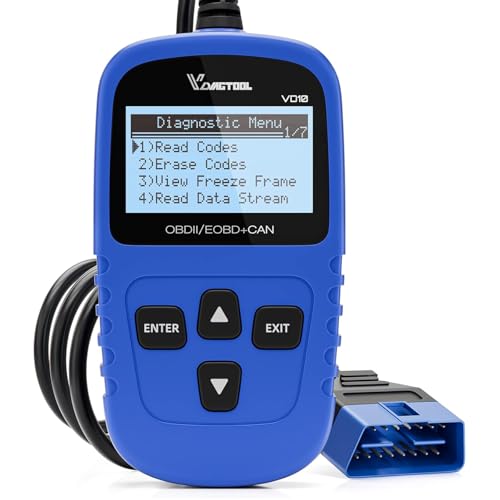
The light itself carries no information about severity or the specific fault; that information lives in the stored trouble code and freeze frame data behind it. A light triggered by a loose gas cap looks identical on the dashboard to a light triggered by a failing catalytic converter. Reading the actual code is the only way to tell the difference, which is why a code reader is the right first step rather than guessing.
What to actually do when it comes on
Check the gas cap first since it is free and common. Then read the code with a scan tool rather than assuming the worst. If the code points to a minor issue and the car is running normally with no unusual noises, smells or performance changes, it is generally safe to drive to get it addressed. If the light is flashing, or accompanied by rough running, loss of power, or a smell of fuel, treat it as urgent and reduce load rather than continuing normal driving.
| Light behavior | What it signals | Urgency | Typical next step |
|---|---|---|---|
| Steady light, normal driving | Confirmed fault, not immediately dangerous | Address soon | Read the code, plan a repair |
| Steady light, rough running | Confirmed fault affecting drivability | Address promptly | Read the code, avoid heavy load or towing |
| Flashing light | Active severe misfire, raw fuel entering exhaust | Immediate | Reduce load and stop driving as soon as safely possible |
| Light appears then clears itself | Intermittent fault that did not repeat | Monitor | Check for pending codes on next scan |
| Light on, no stored code found | Communication issue or code recently cleared | Low, but investigate | Rescan after a full drive cycle |
Equipment mentioned here
- LJPXHHU
OBD2 Bluetooth Scanner Car Code Reader for iOS, Android and Windows
- wireless
$13.98 Check pricePrices change often - Veepeak
Veepeak Mini Bluetooth OBD2 Scanner Code Reader for Android (NOT for iOS)
- wireless
$14.99 Check pricePrices change often - MOCATEC
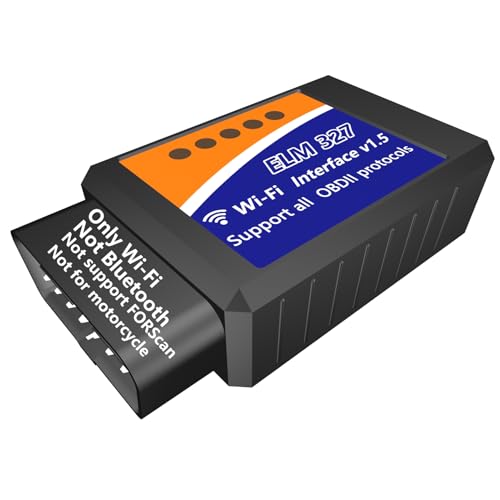
WiFi ELM327 OBD2 Adapter WiFi ELM 327 OBD Scanner for Universal 12V Vehicle
- wireless
$15.95 Check pricePrices change often




Common questions
Is it safe to keep driving with the check engine light on?
If the light is steady, not flashing, and the vehicle is running normally with no unusual sounds, smells or loss of power, it is generally reasonable to continue driving while planning a diagnosis soon. If the light is flashing or the vehicle is running poorly, treat it as urgent instead.
Can a loose gas cap really trigger the check engine light?
Yes. The EVAP system monitors for fuel vapor leaks, and a loose, cracked or missing gas cap is one of the most common causes of an EVAP leak code. Tightening the cap and driving through a few complete trips often lets the monitor re-run and the light turn off on its own.
Why did the check engine light turn off by itself?
If the fault does not recur across enough consecutive drive cycles, the module can turn the light off on its own even though it may keep a record for a period afterward. Some codes, called permanent codes, will not clear until the underlying monitor passes even if the light has already gone out.
Does the check engine light mean the same thing as a maintenance reminder light?
No. A maintenance or service reminder light is usually a mileage or time based reminder set by the vehicle's maintenance system, unrelated to OBD2 fault detection. The check engine light specifically indicates a detected fault in a monitored powertrain or emissions system.
Should I disconnect the battery to make the light go off?
Disconnecting the battery clears the code temporarily but does not fix the underlying fault, and it also resets the readiness monitors, which can cause a failed emissions inspection later if the monitors have not had time to complete again. Diagnosing the actual code is the better first step.