P0171 on a Subaru
Quick answer
On Subaru boxer engines, P0171 is commonly linked to an intake manifold or crankcase breather leak, and on turbocharged EJ25 models, to boost-side vacuum leaks that are distinct from the naturally aspirated lean-code pattern.
Severity 2 of 4. Short trips only.
Fix soon · Short trips only
| Code | P0171 |
|---|---|
| Standard name | System Too Lean (Bank 1) |
| Make | Subaru |
| Severity | Fix soon (2 of 4) |
| Safe to drive | Short trips only |
| Tool needed | Scanner with live data |

TOPDON TopScan Lite OBD2 Scanner, Bidirectional Scan Tool, 8 Resets & AI
Adds live sensor streams and freeze frame, which is what turns a code into a diagnosis rather than a guess.
Coverage varies by tool and by model year, so check a specific tool against a specific vehicle before buying.
What is different about P0171 on a Subaru?
Subaru's naturally aspirated and turbocharged boxer engines show meaningfully different lean-code patterns, since a turbo system adds an entire additional set of hoses and joints that can leak.
What Subaru owners run into with P0171
Intake and crankcase breather leaks on naturally aspirated engines: Subaru's naturally aspirated boxer engines have documented reports of intake manifold gaskets and crankcase breather hoses developing leaks with age, introducing unmetered air and triggering P0171.
Turbo boost-side leaks on WRX and similar models: On turbocharged EJ25-equipped models, a vacuum or boost leak on the intake side of the turbocharger system is a documented and distinct cause of lean codes compared to the simpler gasket-related pattern on naturally aspirated Subaru engines.
What to check first on a Subaru
The order below narrows the generic P0171 list down to what is worth checking first on this make. It is a starting order, not a diagnosis: patterns are generation specific and a vehicle outside those generations may have none of them.
Check in this order
- Inspect intake manifold gaskets and crankcase breather hoses for leaks on naturally aspirated models
- On turbocharged models, inspect boost hoses and intercooler piping for leaks
- Check the mass airflow sensor for contamination
- Check whether P0174 is also present, suggesting a whole-intake-system cause
The generic picture behind P0171
The computer has pushed bank 1 long term fuel trim well beyond its normal correction range trying to add fuel, which means the actual air and fuel mixture is thinner than intended. This usually means unmetered air is entering the engine somewhere after the airflow sensor, or that not enough fuel is being delivered to match the air the engine is taking in.
Everything on the main P0171 page still applies here. This page narrows the cause list to the patterns documented on Subaru vehicles, it does not replace the underlying definition.
The generic version of this code
Tools that can diagnose P0171
Adds live sensor streams and freeze frame, which is what turns a code into a diagnosis rather than a guess.
- LJPXHHU
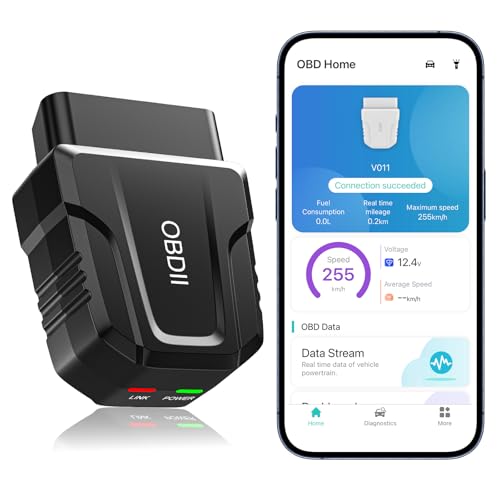
OBD2 Bluetooth Scanner Car Code Reader for iOS, Android and Windows
- wireless
$13.98 Check pricePrices change often - Veepeak
Veepeak Mini Bluetooth OBD2 Scanner Code Reader for Android (NOT for iOS)
- wireless
$14.99 Check pricePrices change often - MOCATEC
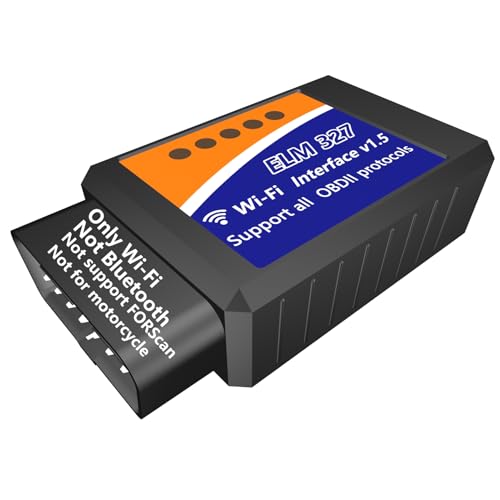
WiFi ELM327 OBD2 Adapter WiFi ELM 327 OBD Scanner for Universal 12V Vehicle
- wireless
$15.95 Check pricePrices change often - UMEIJA
OBD2 Scanner Diagnostic Tool, Car Scanner for iOS & Android, Bluetooth 5.4
- wireless
$29.99 Check pricePrices change often




Common questions
Is P0171 different on a turbo Subaru versus a non-turbo one?
The code itself means the same thing, a lean condition on bank 1, but the likely cause differs. Naturally aspirated Subaru engines more often show intake manifold gasket or crankcase breather leaks, while turbocharged models like the WRX are documented for boost-side vacuum leaks as a distinct and common cause.
Can a Subaru crankcase breather hose cause a lean code?
Yes, a cracked or disconnected crankcase breather hose is a documented cause of unmetered air entering the intake on Subaru boxer engines, which can trigger P0171 in a similar way to a traditional vacuum leak.