P0174 on a Subaru
Quick answer
On Subaru boxer engines, since bank 2 sits on the physically opposite side of the vehicle from bank 1, an isolated P0174 is documented to point toward a leak specific to that side, such as an intake gasket or breather hose serving only that bank.
Severity 2 of 4. Short trips only.
Fix soon · Short trips only
| Code | P0174 |
|---|---|
| Standard name | System Too Lean (Bank 2) |
| Make | Subaru |
| Severity | Fix soon (2 of 4) |
| Safe to drive | Short trips only |
| Tool needed | Scanner with live data |

TOPDON TopScan Lite OBD2 Scanner, Bidirectional Scan Tool, 8 Resets & AI
Adds live sensor streams and freeze frame, which is what turns a code into a diagnosis rather than a guess.
Coverage varies by tool and by model year, so check a specific tool against a specific vehicle before buying.
What is different about P0174 on a Subaru?
Subaru's side-by-side boxer layout makes an isolated P0174 a more physically distinct clue than it would be on a V6, since it points to an entirely separate side of the engine bay.
Patterns documented on Subaru vehicles
Side-specific intake and breather leaks: Because Subaru's boxer engine places bank 2 on a physically separate side of the vehicle from bank 1, an isolated P0174 points toward an intake gasket or crankcase breather leak specific to that side rather than a shared whole-intake cause.
Turbo plumbing asymmetry on some models: On some turbocharged Subaru layouts, intake and boost plumbing is not perfectly symmetrical between the two banks, meaning a boost-side leak can more plausibly affect one bank's lean reading without affecting the other.
What to check first on a Subaru
The order below narrows the generic P0174 list down to what is worth checking first on this make. It is a starting order, not a diagnosis: patterns are generation specific and a vehicle outside those generations may have none of them.
Check in this order
- Identify which physical side of the vehicle corresponds to bank 2 on the specific Subaru model
- Inspect intake manifold gaskets and breather hoses specific to that side
- On turbocharged models, check boost plumbing routed to that side
- Check whether P0171 is also present, suggesting a whole-intake cause instead
The generic picture behind P0174
This mirrors P0171 but for bank 2 of a V configured engine. Long term fuel trim on that bank has been pushed well beyond normal correction range trying to add fuel, indicating unmetered air or insufficient fuel delivery specific to that bank, or a shared intake issue affecting both banks.
Everything on the main P0174 page still applies here. This page narrows the cause list to the patterns documented on Subaru vehicles, it does not replace the underlying definition.
The generic version of this code
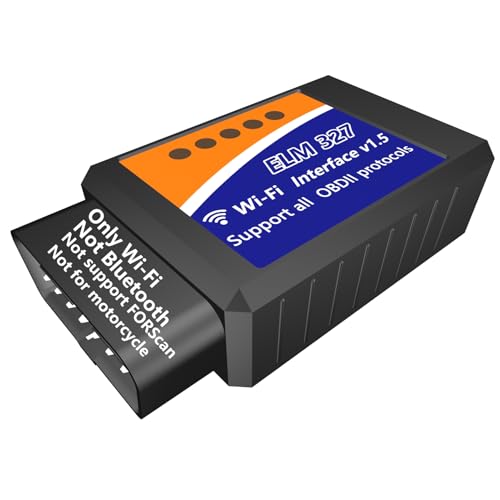
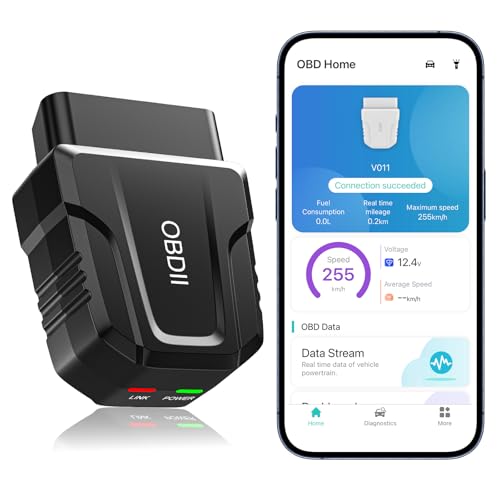
Tools that can diagnose P0174
Adds live sensor streams and freeze frame, which is what turns a code into a diagnosis rather than a guess.
- LJPXHHU
OBD2 Bluetooth Scanner Car Code Reader for iOS, Android and Windows
- wireless
$13.98 Check pricePrices change often - Veepeak
Veepeak Mini Bluetooth OBD2 Scanner Code Reader for Android (NOT for iOS)
- wireless
$14.99 Check pricePrices change often - MOCATEC
WiFi ELM327 OBD2 Adapter WiFi ELM 327 OBD Scanner for Universal 12V Vehicle
- wireless
$15.95 Check pricePrices change often - UMEIJA
OBD2 Scanner Diagnostic Tool, Car Scanner for iOS & Android, Bluetooth 5.4
- wireless
$29.99 Check pricePrices change often




Common questions
Does an isolated P0174 mean the leak is on a specific side of my Subaru?
Generally yes. Because Subaru's boxer engine places bank 1 and bank 2 on physically opposite sides of the engine, an isolated P0174 points toward an intake or breather leak on the bank 2 side specifically, rather than a shared cause affecting the whole intake.
Is P0174 more common on turbo or non-turbo Subaru engines?
Both naturally aspirated and turbocharged Subaru boxer engines can develop lean codes, but the underlying cause differs: naturally aspirated engines more often show intake gasket or breather leaks, while turbocharged models add boost-side plumbing as another documented leak point.