P0300 on a Subaru
Quick answer
On turbocharged Subaru EJ25 engines, documented ringland and piston wear under sustained boost is a known cause of misfire codes on modified or high-mileage vehicles, distinct from the simpler ignition-related causes on naturally aspirated models.
Severity 3 of 4. Short trips only.
Fix now · Short trips only
| Code | P0300 |
|---|---|
| Standard name | Random/Multiple Cylinder Misfire Detected |
| Make | Subaru |
| Severity | Fix now (3 of 4) |
| Safe to drive | Short trips only |
| Tool needed | Scanner with live data |

TOPDON TopScan Lite OBD2 Scanner, Bidirectional Scan Tool, 8 Resets & AI
Adds live sensor streams and freeze frame, which is what turns a code into a diagnosis rather than a guess.
Coverage varies by tool and by model year, so check a specific tool against a specific vehicle before buying.
What is different about P0300 on a Subaru?
The turbocharged EJ25's documented ringland wear pattern under sustained boost is a mechanical misfire cause that naturally aspirated Subaru engines do not share.
Subaru specific patterns behind P0300
Ringland/piston wear under boost on turbo EJ25 engines: Turbocharged EJ25 engines, used in WRX and related Subaru models, have a documented pattern of ringland and piston wear developing under sustained high boost, particularly on modified or aggressively driven vehicles, which can cause a genuine mechanical misfire.
Ignition coil and spark plug wear on naturally aspirated boxer engines: On naturally aspirated Subaru boxer engines, standard ignition coil and spark plug wear remains the more common and generic cause of misfire codes, similar to most other makes.
What to check first on a Subaru
The order below narrows the generic P0300 list down to what is worth checking first on this make. It is a starting order, not a diagnosis: patterns are generation specific and a vehicle outside those generations may have none of them.
Check in this order
- Consider boost history and any engine modifications on turbocharged EJ25-equipped models before assuming a simple ignition cause
- Check for a compression or leak-down test on turbocharged models if a mechanical cause is suspected
- Inspect ignition coils and spark plugs on naturally aspirated engines
- Check for vacuum leaks contributing to a lean-driven misfire on either engine type
The generic picture behind P0300
The computer counts tiny fluctuations in crankshaft speed between each firing event and uses them to detect when a cylinder fails to fire cleanly. This code sets when those misfire events are spread across multiple cylinders rather than concentrated on one, which points to a cause that affects the whole engine instead of a single spark plug or injector. A random misfire is often a fuel, air or ignition supply problem shared by every cylinder.
Everything on the main P0300 page still applies here. This page narrows the cause list to the patterns documented on Subaru vehicles, it does not replace the underlying definition.
The generic version of this code
Tools that can diagnose P0300
Adds live sensor streams and freeze frame, which is what turns a code into a diagnosis rather than a guess.
- LJPXHHU
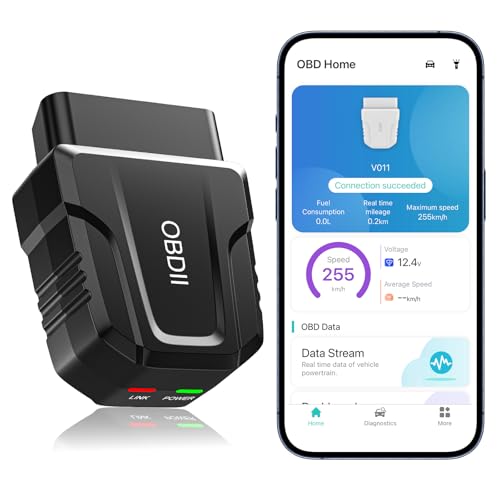
OBD2 Bluetooth Scanner Car Code Reader for iOS, Android and Windows
- wireless
$13.98 Check pricePrices change often - Veepeak
Veepeak Mini Bluetooth OBD2 Scanner Code Reader for Android (NOT for iOS)
- wireless
$14.99 Check pricePrices change often - MOCATEC
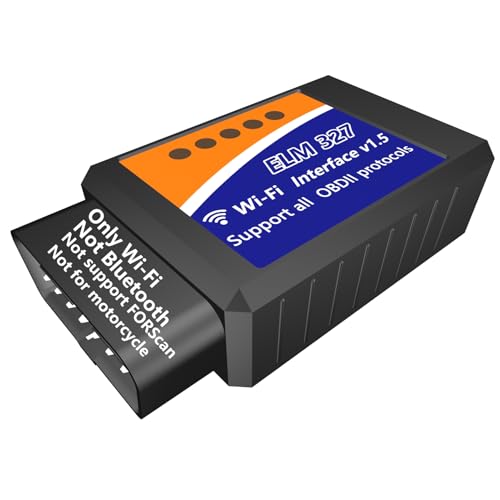
WiFi ELM327 OBD2 Adapter WiFi ELM 327 OBD Scanner for Universal 12V Vehicle
- wireless
$15.95 Check pricePrices change often - UMEIJA
OBD2 Scanner Diagnostic Tool, Car Scanner for iOS & Android, Bluetooth 5.4
- wireless
$29.99 Check pricePrices change often




Common questions
Is a misfire more serious on a turbo Subaru than a non-turbo one?
A misfire on any engine deserves attention, but on turbocharged EJ25 engines there is a documented additional possibility of ringland or piston wear from sustained boost, which is a mechanical concern that naturally aspirated Subaru engines do not share, making the underlying cause worth confirming rather than assuming a simple ignition fix.
Does this ringland wear issue affect all turbo Subaru engines?
It is documented more specifically on turbocharged EJ25 engines, particularly under sustained high boost or aggressive driving and on modified vehicles, rather than being a universal certainty across every turbocharged Subaru ever built.