P0563: System Voltage High
Quick answer
P0563 is the standardised OBD-II code for system Voltage High. The computer measured system voltage above its normal operating range, which usually points to an overcharging alternator rather than the battery. The most likely cause is failing alternator voltage regulator, not the most expensive one. Keep any driving short and light until it is repaired.
Severity 3 of 4. Short trips only.
Fix now · Short trips only
| Code | P0563 |
|---|---|
| Standard name | System Voltage High |
| System | Speed, idle and auxiliary input |
| Subsystem | Charging and system voltage |
| Sets the | Comprehensive component monitor |
| Severity | Fix now (3 of 4) |
| Safe to drive | Short trips only |
| Tool needed | Scanner with live data |
| Cause | How often | What to check |
|---|---|---|
| Failing alternator voltage regulator | Most likely | The most common cause of true overcharging. |
| Corroded or loose ground strap causing a false high reading | Common | A poor ground can make voltage appear higher than it really is. |
| Aftermarket alternator installed with the wrong regulator | Worth checking | A mismatched replacement part can overcharge the system. |
| Battery nearing end of life and no longer absorbing charge normally | Less common | A weak battery can let system voltage climb higher than normal. |
| Wiring fault at the alternator sense wire | Uncommon | A bad sense connection can cause the regulator to overcorrect. |

TOPDON TopScan Lite OBD2 Scanner, Bidirectional Scan Tool, 8 Resets & AI
Adds live sensor streams and freeze frame, which is what turns a code into a diagnosis rather than a guess.
Coverage varies by tool and by model year, so check a specific tool against a specific vehicle before buying.
What is the engine computer reporting with P0563?
The computer measured system voltage above its normal operating range, which usually points to an overcharging alternator rather than the battery.
The code sits in the charging and system voltage area and is reported by the comprehensive component monitor. It names the circuit or the condition where the computer saw a reading outside its expected range. It does not name a failed part, and several genuinely different faults set this same code, which is the whole reason the causes below are ordered rather than listed.
What people usually notice
- Headlights unusually bright then dim
- Battery running hot or smelling of sulfur
- Dash lights flicker at higher RPM
- Battery needing water more often than normal
What is actually behind P0563?
The causes below are ordered by how often they turn out to be the answer, cheapest and most common first. That order matters more than the list itself: the expensive component named in the code text is very rarely the first thing to replace, and working down from the top is what stops a charging and system voltage fault becoming an expensive guess.
Failing alternator voltage regulator is the one to rule out before anything else. The most common cause of true overcharging.
How do you diagnose P0563?
Start with freeze frame. Check the system voltage value stored when the code set and compare it to a normal running voltage. That snapshot is taken at the instant the code set, and it is the single most useful piece of evidence you have, which is also why clearing the code before reading it is such a costly habit.
This code is diagnosed by watching values change rather than by reading the number again, so the tool has to stream live data and hold freeze frame. Live data on charging voltage across engine speeds confirms whether the alternator is truly overcharging.
The order worth working in
- 1. Failing alternator voltage regulator: The most common cause of true overcharging.
- 2. Corroded or loose ground strap causing a false high reading: A poor ground can make voltage appear higher than it really is.
- 3. Aftermarket alternator installed with the wrong regulator: A mismatched replacement part can overcharge the system.
- 4. Battery nearing end of life and no longer absorbing charge normally: A weak battery can let system voltage climb higher than normal.
- 5. Wiring fault at the alternator sense wire: A bad sense connection can cause the regulator to overcorrect.
Can you keep driving with P0563?
An overcharging alternator can boil the battery and damage other electronics, limit driving until the charging system is tested.
This is a severity 3 of 4 code, which means continuing to drive normally risks damage that costs considerably more than the repair in front of you. Treat the lamp as an instruction rather than a notification.
What does it cost to ignore P0563?
Sustained overcharging can boil the battery dry and damage sensitive electronics throughout the vehicle.
There is also the diagnostic cost of waiting. Freeze frame data, pending code history and the readiness monitor state all describe the fault as it was when it set, and all of it is lost the moment somebody clears the code to make the lamp go out.
Tools that can diagnose P0563
Adds live sensor streams and freeze frame, which is what turns a code into a diagnosis rather than a guess.
- LJPXHHU
OBD2 Bluetooth Scanner Car Code Reader for iOS, Android and Windows
- wireless
$13.98 Check pricePrices change often - Veepeak
Veepeak Mini Bluetooth OBD2 Scanner Code Reader for Android (NOT for iOS)
- wireless
$14.99 Check pricePrices change often - MOCATEC
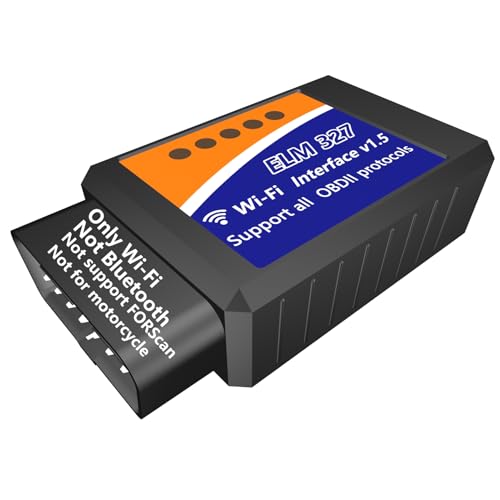
WiFi ELM327 OBD2 Adapter WiFi ELM 327 OBD Scanner for Universal 12V Vehicle
- wireless
$15.95 Check pricePrices change often - UMEIJA
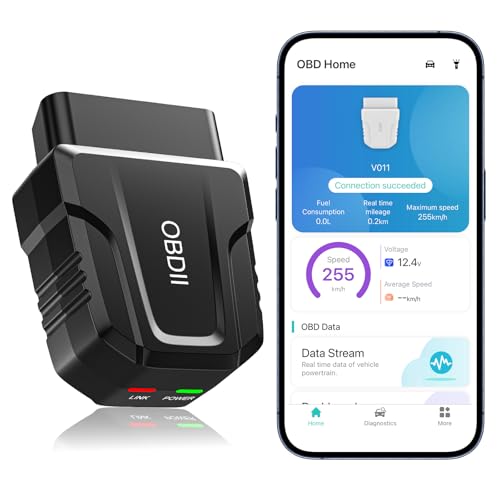
OBD2 Scanner Diagnostic Tool, Car Scanner for iOS & Android, Bluetooth 5.4
- wireless
$29.99 Check pricePrices change often




Common questions
What does code P0563 mean?
P0563 is the generic OBD-II code for system Voltage High. The computer measured system voltage above its normal operating range, which usually points to an overcharging alternator rather than the battery. It is a standardised definition, so it means the same thing on every manufacturer, although the fault behind it differs from car to car.
Can I drive with P0563?
An overcharging alternator can boil the battery and damage other electronics, limit driving until the charging system is tested. On the severity scale this sits at 3 of 4, described as fix now. Whatever the code, a check engine light that starts flashing changes the answer immediately: that means an active misfire and the correct response is to reduce load and stop driving.
What is the most common cause of P0563?
Failing alternator voltage regulator is the cause worth ruling out first. The most common cause of true overcharging. Work down the ordered list rather than replacing the component named in the code text, because that component is the expensive answer and it is rarely the right one.
Will P0563 clear itself?
If the underlying fault genuinely goes away, the computer turns the lamp off after the monitor passes on a number of consecutive drive cycles, and the code moves to history before ageing out. A code that clears and returns is not fixed, it is intermittent. Clearing it manually erases the freeze frame data and resets every readiness monitor to incomplete.
What scanner do I need for P0563?
This code is diagnosed by watching values change rather than by reading the number again, so the tool has to stream live data and hold freeze frame. Live data on charging voltage across engine speeds confirms whether the alternator is truly overcharging. Vehicle coverage still varies by tool and by model year, so check a specific tool against a specific vehicle rather than assuming a capability tier guarantees access.