Clearing codes vs fixing the fault
Quick answer
A basic reader like the MOTOPOWER MP69033 ($15.96) can erase a stored code instantly, but if the underlying fault is still present the light will typically return within a short drive cycle since the same monitor will fail again.

MOTOPOWER MP69033 Car OBD2 Scanner Code Reader Engine Fault Scanner CAN Diagnostic Scan Tool for All OBD II Protocol Cars Since 1996, Yellow
Confirming a code after a repair is actually complete, or getting a code number to research before deciding on a fix.
Coverage varies by tool and by model year, so check a specific tool against a specific vehicle before buying.
| Clearing codes only | Diagnosing with live data | |
|---|---|---|
| What it does | Erases the stored code and turns off the light | Reads live sensor values plus freeze frame data |
| Fixes the underlying problem | No | No, but helps identify it correctly |
| Light returns if fault persists | Yes, typically within a few drive cycles | Same, unless the actual cause is fixed |
| Useful after a real repair | Yes, to confirm no other codes are stored | Yes, plus can watch the parameter that triggered it |
| Risk of misuse | Masking a real problem, delaying diagnosis | Lower, since you are looking at the actual data |
| Typical price | $15 to $30 | $40 to $150 for live-data-capable tools |
What actually happens when you clear a code
Clearing a code erases the stored trouble code and freeze frame data from the vehicle's memory and turns off the check engine light. It does not repair, reset, or alter any physical component on the vehicle. The engine control module's monitors continue running in the background exactly as before, checking the same parameters that triggered the code in the first place.
If nothing about the vehicle physically changed before you cleared the code, the same monitor is very likely to fail its test again on a future drive cycle, at which point the code returns and the light comes back on.
Why the light sometimes stays off for a while after clearing
Many codes require a monitor to fail its test on multiple consecutive drive cycles, or under specific conditions like a cold start or a sustained highway speed, before the light returns. This can create a false impression that clearing the code worked, when the fault is actually still present and simply has not been re-detected yet.
This delay is one of the most common reasons people mistakenly believe clearing a code fixed something, and it is also why sellers sometimes clear codes before a used car sale, temporarily hiding an issue a buyer would otherwise see on a pre-purchase scan.
What live data actually adds to the picture
A code like P0171 (system too lean) tells you the fuel trim was out of range, but it does not tell you why. Live data lets you watch the actual short and long-term fuel trim values, oxygen sensor voltage, and other parameters in real time, which is how you narrow a lean code down to a specific cause like a vacuum leak versus a failing MAF sensor versus a weak fuel pump.
Freeze frame data, captured at the exact moment the code set, adds more context: engine load, RPM, and coolant temperature at that instant, which can point toward conditions (like only happening at idle, or only under load) that narrow the likely cause further.
- Live data: watch sensor values change in real time as you drive or idle
- Freeze frame: see the exact conditions present when the code originally set
- Fuel trim specifically: the single most useful live parameter for lean and rich codes
When clearing a code alone is the right move
After you have actually completed a repair, clearing the code is the correct final step to confirm the fix, since a genuinely resolved fault should not cause the code to return on subsequent drive cycles. Clearing a code is also reasonable simply to get the code number itself if you plan to research it before deciding whether to pursue a repair at all.
Repeated clearing without repair is a warning sign to yourself
If you find yourself clearing the same code more than once without changing anything on the vehicle, that pattern itself is useful information: it confirms the fault is real, persistent, and worth actually diagnosing rather than continuing to reset. Treat a code that keeps coming back as confirmation to invest in proper diagnosis, not a nuisance to keep silencing.
Diagnoses with live data
Actually narrowing down the root cause before you spend money on a part, using live data and freeze frame instead of guessing from the code alone.

Other tools in this comparison
- Autel
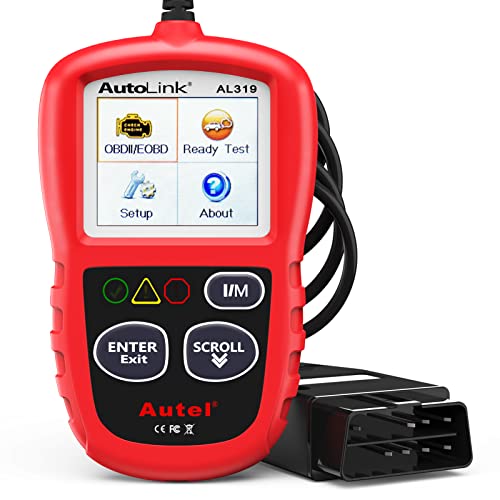
Autel AL319 Professional OBD2 Scanner, Enhanced Check Engine Code Reader
$27.99 Check pricePrices change often - TOPDON
TOPDON Carpal OBD2 Scanner Bluetooth - All System Diagnostic Tool with AI
- full system
- wireless
$40.99 Check pricePrices change often




Common questions
Is it bad to clear a code without fixing anything?
It is not damaging to the vehicle, but it does not resolve whatever caused the code, and driving with an unresolved fault for an extended period can sometimes allow a minor issue to worsen, such as a small misfire eventually damaging a catalytic converter. It also removes the freeze frame data that would have helped diagnose the original fault.
How long before a cleared code comes back if the fault is still there?
It varies by code and vehicle, but many faults reappear within one to a handful of drive cycles once the relevant monitor runs its test again under the right conditions. Some monitors only run under specific conditions like a cold start or sustained highway driving, which can delay the code's return by more than a few days in some cases.
Can clearing a code hide a problem from a used car inspection?
Yes, clearing codes shortly before a sale can temporarily leave the check engine light off and the code memory empty, which is a known reason a pre-purchase inspection should include checking readiness monitor status, since incomplete monitors can indicate a recent code clear even without an active light.
Does freeze frame data get erased when I clear the code?
Yes, clearing the code also erases the freeze frame data associated with it, which is why it is worth reading and noting that data before clearing anything if you plan to research or diagnose the fault afterward.
Do I need live data to fix every check engine light?
No, some codes point clearly enough at a single likely cause, especially simpler ones, that live data is not strictly necessary. For codes with multiple common causes, like lean or misfire codes, live data meaningfully narrows the diagnosis and can save money by avoiding a guessed part replacement.